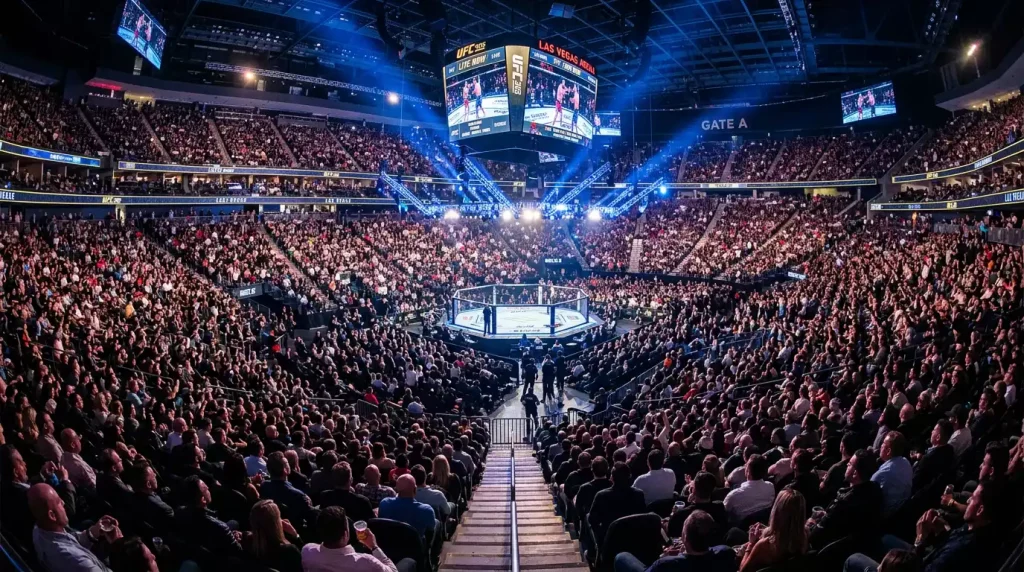
MMA Fight Style Analysis: Matchup Performance and UFC Odds
 Available in US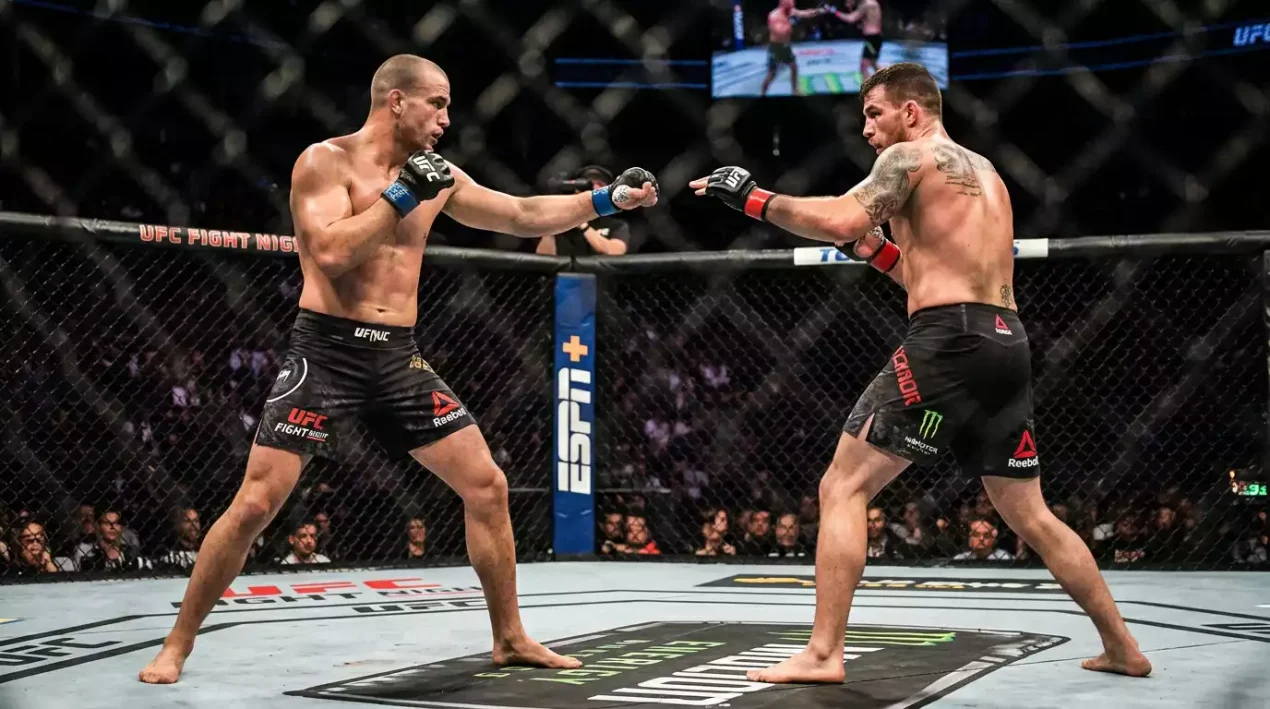
Recognizing a significant grappling advantage often reveals highly profitable opportunities within the method of victory betting markets.
Stance Matchups: Evaluating Orthodox vs Southpaw UFC Fights
I started tracking stance matchups in my own betting records three years ago, and the patterns are more consistent than I expected. When an orthodox fighter faces a southpaw, both fighters are operating in an unfamiliar visual and spatial environment. The lead hands are on the same side, which changes the angle of entry for jabs, hooks, and takedown attempts. Orthodox fighters train against orthodox opponents for the majority of their sparring rounds simply because most fighters are orthodox. Southpaws, by contrast, spend their careers fighting mostly orthodox opponents and develop counters, angles, and defensive habits specifically tuned to that asymmetry.
The betting implication is straightforward: southpaws tend to be undervalued in matchups against orthodox fighters who have limited southpaw experience. This does not mean every southpaw is a good bet — it means the market sometimes fails to price the adjustment cost that an orthodox fighter pays when facing an unfamiliar stance. Look at the orthodox fighter’s record: how many southpaw opponents have they faced, and how did those fights go? If the answer is “few” and “not well,” the market is probably underestimating the difficulty of the matchup.
The effect is not symmetrical. Southpaws fighting other southpaws do not benefit from the same informational edge, and elite-level orthodox fighters with extensive southpaw experience — wrestlers who can negate stance advantages through takedowns, for instance — are less affected. The edge is specific and conditional, which is exactly why the market misprices it.
Grappler vs Striker: The Classic MMA Matchup
About half of UFC fights in 2025 ended by judges’ decision, with the remainder split between knockouts and submissions. That baseline matters because the grappler-versus-striker matchup is where the finish method distribution shifts most dramatically. When a high-level wrestler faces a pure striker, the fight’s trajectory depends almost entirely on whether the grappler can close distance and establish control. If they can, the fight goes to the mat. If they cannot, they absorb strikes at range until the bell or the referee intervenes.
The market tends to price these matchups based on perceived skill level rather than stylistic interaction. A ranked striker facing an unranked wrestler will often be favoured because of the ranking gap, even when the wrestler’s takedown accuracy and top control time suggest they can neutralise the striker’s primary weapons. I have found that the method of victory market is often more mispriced than the moneyline in these matchups — the market may correctly identify the likely winner but underestimate the probability of a specific finish method.
The practical approach I use: when analysing a grappler-striker matchup, I focus on three metrics. Takedown defense percentage for the striker — if it is below 65 percent, the grappler’s path to victory is wide open. Control time per takedown for the grappler — if they secure takedowns but cannot hold position, the striker will scramble back to their feet. And strike differential at range — if the grappler is absorbing significantly more strikes when the fight stays standing, the decision market shifts toward the striker even if the grappler is favoured overall.
Reach and Size Advantages in Betting Context
Reach is the most overvalued physical attribute in casual MMA analysis and the most undervalued in specific contexts. A three-inch reach advantage means nothing if the shorter fighter is a pressure wrestler who fights from the clinch. It means everything if the longer fighter is a jab-heavy counter-striker who maintains distance and picks shots from the outside.
I track reach differential alongside fighting style rather than as an independent variable. A reach advantage paired with a high significant strike accuracy at distance is a genuine edge — it means the fighter can land at a range where the opponent cannot effectively return fire. A reach advantage paired with a brawling style is almost irrelevant, because brawlers close distance and exchange in the pocket where reach does not matter.
Weight class context adds another layer. At heavyweight, where fighters carry more mass and move more slowly, reach advantages translate more directly into knockdown rates. At flyweight and bantamweight, where speed and volume compensate for shorter arms, the effect is muted. If you are betting on a heavyweight fight, check the reach differential. If you are betting on a flyweight fight, spend that time studying takedown defense instead.
Applying Style Analysis to Your Bets
Style analysis is not a replacement for statistical modelling or odds comparison — it is the layer that sits on top of both. The numbers tell you what has happened. The style analysis tells you why it happened and whether it is likely to happen again against this specific opponent. A fighter with a 90 percent takedown accuracy looks dominant on paper until you realise that accuracy was compiled against opponents with poor sprawls, and their next fight is against a Division I wrestler.
My process before placing any bet starts with a single question: what is the most likely way this fight plays out, based on the stylistic interaction? If both fighters are orthodox strikers with similar reach, the fight probably stays standing and goes to a decision. If one fighter is an elite grappler facing a striker with poor takedown defense, the fight probably goes to the mat early. The moneyline may already reflect the likely winner, but the method of victory and round markets often lag behind the stylistic read.
The mistake to avoid is treating style labels as fixed categories. A “striker” who has been training wrestling for three years is no longer a pure striker. A “wrestler” who has developed knockout power in training camp is not the same fighter the stats describe from two years ago. Watch recent footage — not highlight reels, but full fights — and update your model based on what the fighter shows, not what the record says they used to be. For a quantitative complement to this approach, the guide to UFC stats for betting covers which numbers carry the most predictive weight.
Access detailed fighter statistics and matchup breakdowns exclusively at OCTAEDGE.
The Matchup Is the Market
Every UFC fight is a unique stylistic collision that has never happened before and will never happen again in exactly the same way. The oddsmakers know this, but they price fights using models that weight historical records, rankings, and public perception more heavily than matchup-specific dynamics. Your edge, if you can develop one, lives in the gap between what the model says and what the fight tells you when you study how these two specific athletes interact. That gap is not always there. When it is, it is worth more than any statistic.
Does a southpaw stance give a measurable advantage in UFC fights?
Southpaw fighters tend to perform better than their odds suggest when facing orthodox opponents, particularly when the orthodox fighter has limited experience against southpaws. The advantage comes from spatial unfamiliarity — orthodox fighters train primarily against other orthodox fighters and must adjust their angles, timing, and defensive habits in the fight. The edge is contextual, not universal, and diminishes against elite opponents with extensive southpaw experience.
How should I factor reach advantage into my MMA betting decisions?
Reach advantage matters most when paired with a distance-management fighting style — a long jab-heavy counter-striker benefits far more from extra inches than a pressure brawler who fights in the pocket. Consider reach alongside fighting style and weight class: it has more impact at heavyweight than at flyweight, and more impact for range strikers than for grapplers. A reach advantage in isolation is not a reliable betting factor.
This material was created by the OCTAEDGE team.
Related posts

Young People and MMA Gambling in the UK: Statistics, Risks, and Protections

UFC Betting Cash Out: How Early Settlement Works and When to Use It